
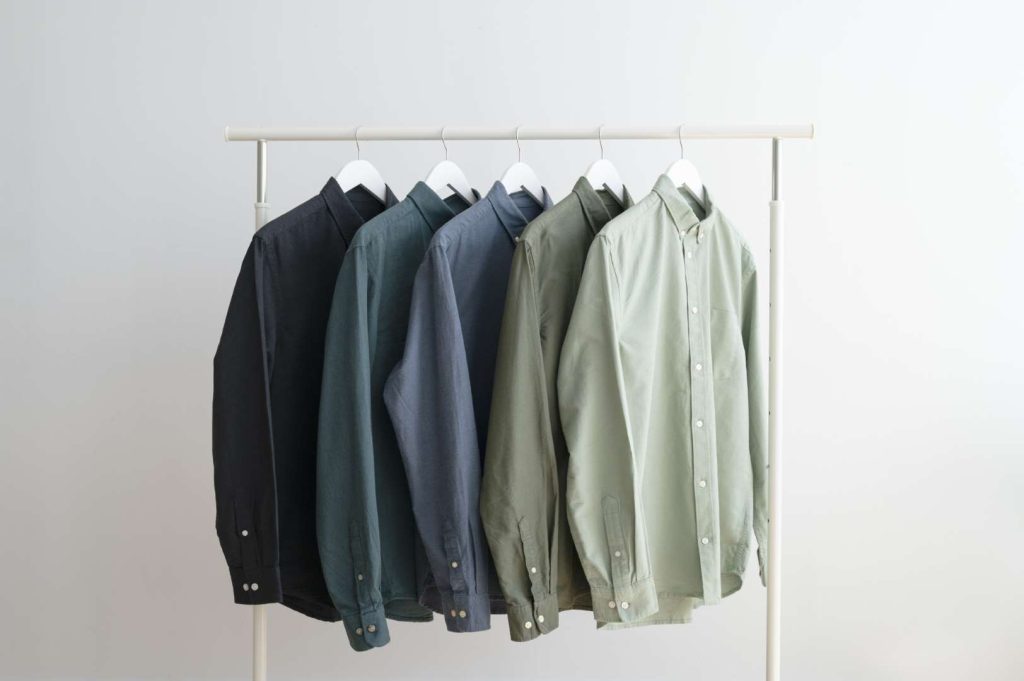
Sustainable retail refers to the practices and policies that reduce the environmental impact of retail operations and products. This includes everything from sourcing eco-friendly materials to adopting energy-efficient operations.
The Early Beginnings
The concept of sustainable retail isn’t new. In fact, it traces back to small, local markets where goods were often produced and sold within the community, minimizing environmental impact due to reduced transportation needs.
The Evolution of Sustainable Practices
Mid-20th Century Innovations
Post-World War II era saw a rise in consumerism but also sparked the initial thoughts towards sustainable practices in retail, particularly with the introduction of biodegradable packaging.
The Rise of Organic Products
The organic movement began gaining ground in the 1970s, with stores and products that focused on health and environmental benefits of organically grown food.
Eco-Friendly Packaging
Retailers started considering eco-friendly packaging solutions in the late 1980s as part of the effort to reduce plastic waste, a major issue in the retail industry.
Major Milestones in Sustainable Retail
Introduction of Fair Trade
The fair trade certification appeared as a significant milestone, ensuring that products were obtained in a way that is fair to both producers and the environment.
The Impact of Technology on Sustainability
Advancements in technology have enabled retailers to track and manage their environmental footprint more effectively, leading to more sustainable business practices.
The Role of Consumer Awareness
Increased consumer awareness has pressured retailers to adopt more sustainable practices. Today’s consumers often look for sustainability labels on their products as a marker of quality and ethical consideration.
Modern Innovations in Sustainable Retail
Green Technology in Retail Spaces
Modern retailers are increasingly using green technologies, such as solar panels and energy-efficient lighting, to power their stores.
Ethical Fashion Movements
The fashion industry has seen a rise in ethical fashion brands that prioritize sustainable materials and production methods.
Sustainability in E-commerce
E-commerce has also embraced sustainability; many online retailers now use green packaging and carbon-neutral shipping options.
The Future of Sustainable Retail
Predictions and Emerging Trends
The future of sustainable retail might include AI to optimize energy use, biodegradable materials for all product packaging, and even more personalized sustainable shopping experiences.
How Consumers Can Push for More Changes
Consumer demand will continue to drive the sustainability efforts of retailers. Shoppers can support sustainable practices by choosing eco-friendly products and brands committed to environmental stewardship.
Conclusion
Summary of Key Points
The journey of sustainable retail from its modest beginnings to its current state shows a dynamic evolution driven by innovation and increased consumer awareness.
The Continued Importance of Sustainability
As we move forward, the importance of sustainability in retail will only grow, influencing how retailers and consumers interact with the global ecosystem.
