
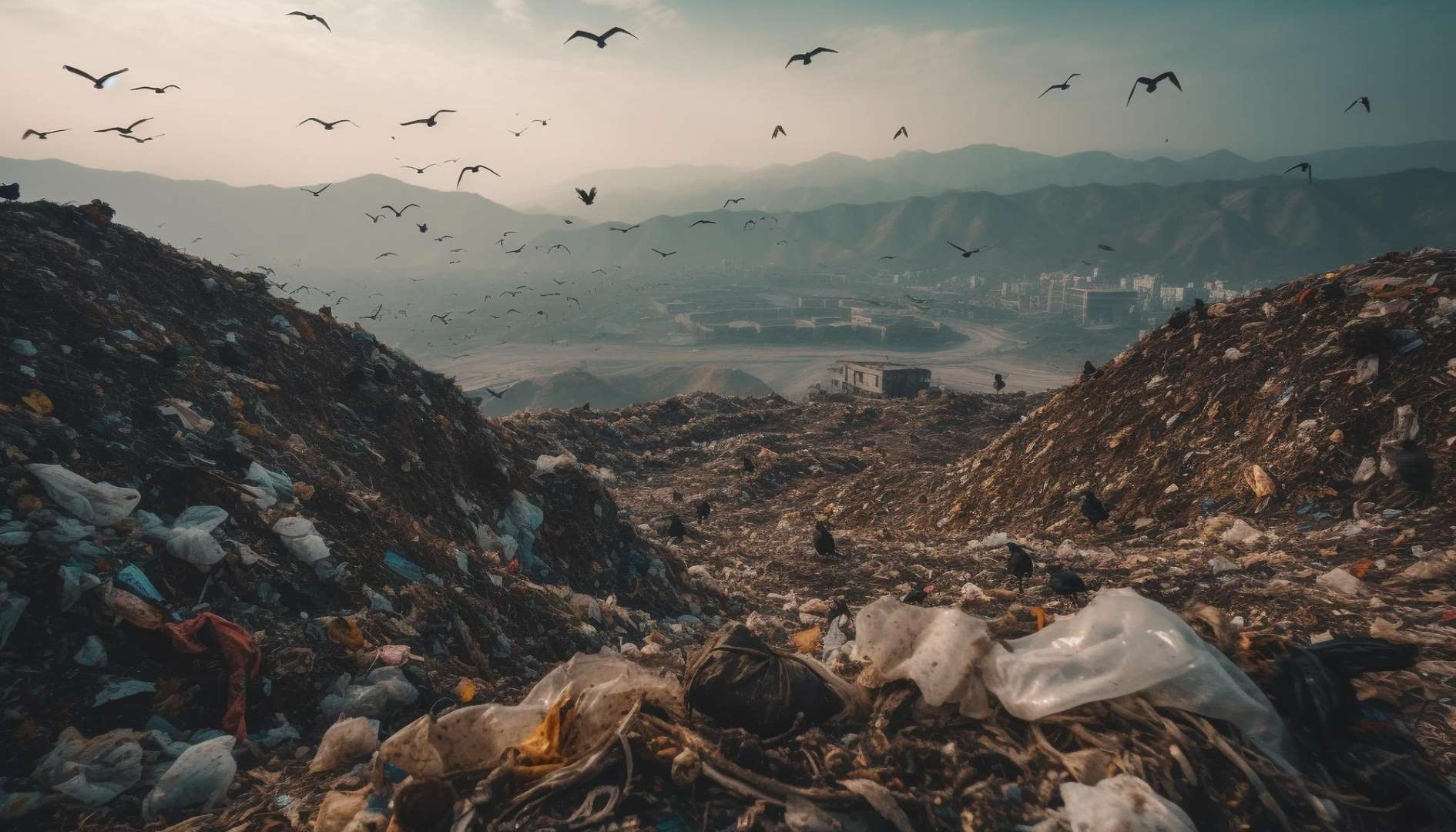
The Global Textile Waste Crisis: A Closer Look
The global textile industry is a significant contributor to economic development, providing millions of jobs and driving trade worldwide. However, this industry is also associated with environmental degradation and complex socio-economic challenges, particularly in developing nations. A pertinent issue that has emerged from this scenario is the influx of used clothing from developed countries, such as those in the European Union, to markets in developing countries, notably Ghana. This phenomenon has profound implications on local industries, environmental sustainability, and economic independence.
Economic Effects of Imported Used Clothing in Ghana
Undermining Local Textile Industries
The large-scale importation of second-hand clothing into Ghana has had a detrimental effect on local textile manufacturers. The influx of cheap, used garments has made it exceedingly difficult for local producers to compete. As a result, several local businesses have seen a significant downturn, with many facing reduced output or closure. This not only affects the economy in terms of reduced industrial activity but also leads to job losses among workers who depend on local textile industries for their livelihood.
Impact on Local Retail
For local traders and retailers, the flood of imported used clothing represents a paradox. While these items provide an affordable alternative to new clothing, they also compete directly with local products, often overshadowing them in variety and price. This situation forces local retailers to adjust their business models, which can result in reduced revenues and market shares.
Environmental Concerns Associated with Textile Waste
Sustainability Challenges
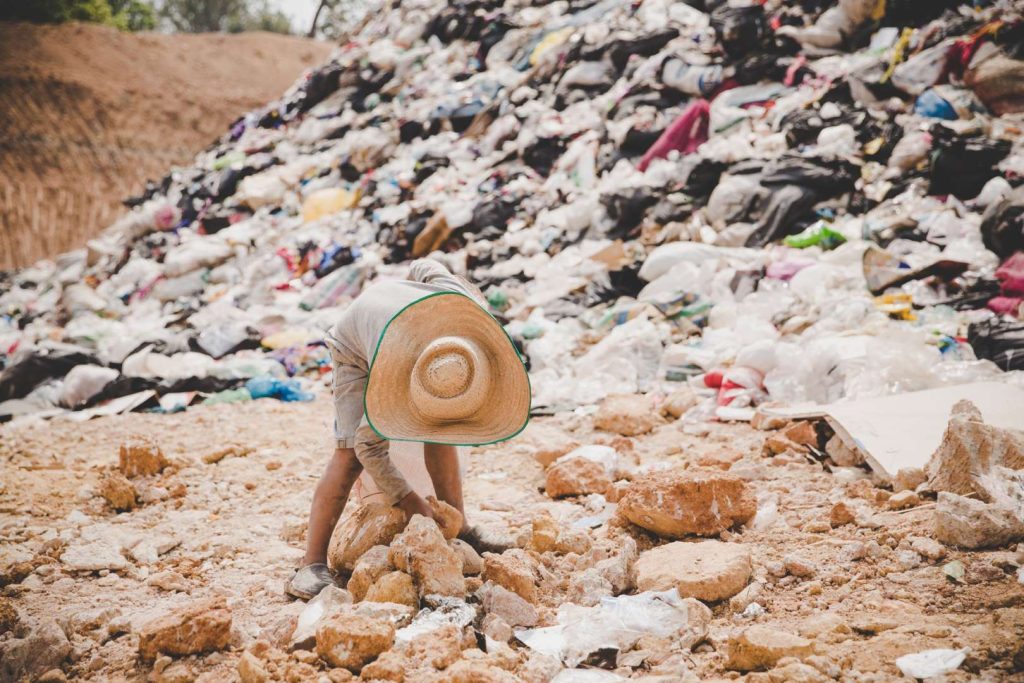
The environmental impact of importing large volumes of used clothing cannot be understated. Textile waste contributes significantly to pollution due to the non-biodegradable nature of many synthetic fabrics used in clothing. When these textiles are eventually discarded, they occupy landfill space for many years, releasing toxins and greenhouse gases.
The Burden on Waste Management Systems
Ghana’s waste management infrastructure is already under significant strain, and the added volume of textile waste exacerbates this issue. The country faces challenges in waste segregation, recycling capabilities, and effective disposal methods, making it difficult to manage additional waste efficiently.
Proposed Solutions and Strategies
Strengthening Local Industries
To mitigate the adverse effects on local industries, there is a pressing need to support and revitalize Ghana’s textile sector. This can be achieved through:
- Investment in modern technology and training for local manufacturers.
- Encouraging innovation in textile designs that reflect cultural heritage and contemporary trends.
- Implementing policies that favor the production and consumption of locally made garments.
Enhancing Trade Regulations
Adjusting trade policies to create a more balanced import environment is crucial. Implementing tariffs on imported used clothing could reduce the influx and encourage consumers to purchase local products, thereby fostering domestic industries.
Promoting Sustainable Practices
Encouraging the adoption of sustainable practices in textile production and waste management is essential. This includes:
- Developing recycling programs tailored to textile materials.
- Educating the public on the environmental impact of textile waste and promoting responsible consumption habits.
Conclusion
The issue of textile waste and the importation of used clothing poses significant challenges to Ghana’s economic and environmental health. By addressing these challenges through strengthening local industries, adjusting trade policies, and promoting sustainable practices, Ghana can achieve a more sustainable and prosperous future. The international community and local stakeholders must collaborate to develop and implement strategies that benefit all parties involved and lead to long-term improvements.
