
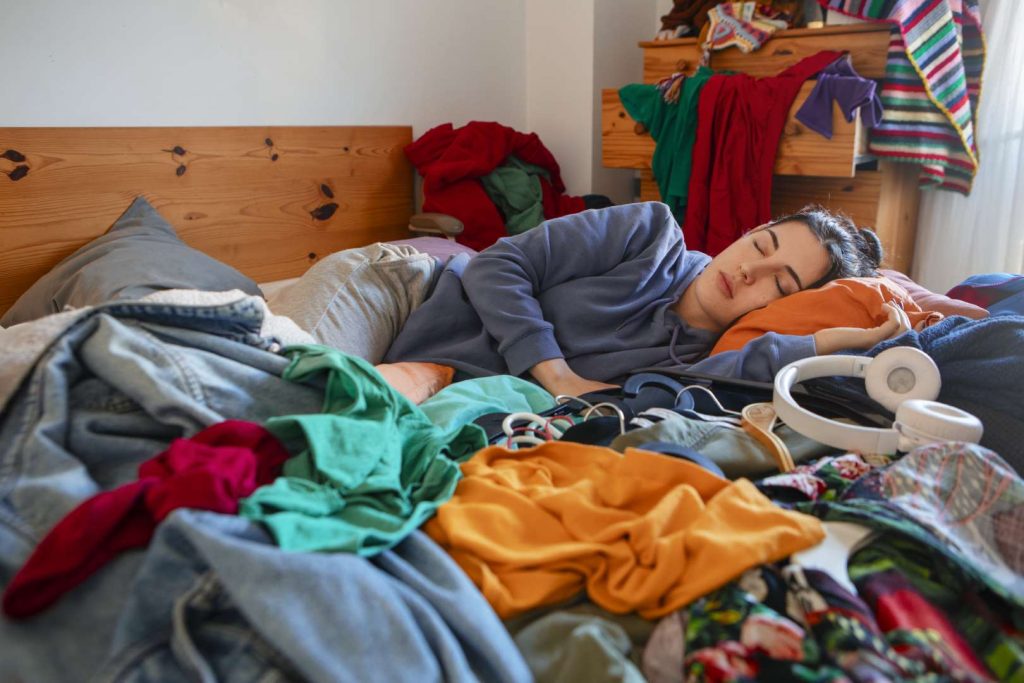
In recent years, the United Kingdom has witnessed a disturbing rise in clothing deprivation, a phenomenon that has escalated due to unprecedented increases in living costs. This article delves into the multifaceted issue of clothing deprivation, exploring its implications, the demographics most affected, and the strategies that can be employed to mitigate this growing concern.
Understanding Clothing Deprivation
Clothing deprivation refers to the condition where individuals or families are unable to afford adequate clothing due to financial constraints. It is a lesser-known facet of poverty that has serious repercussions on social inclusion, mental health, and physical well-being.
Causes of Clothing Deprivation
The primary driver of clothing deprivation in recent times has been the dramatic surge in living costs, including energy bills, housing, and food prices. These rising expenses have disproportionately impacted low-income families, forcing them to prioritize essential utilities over other needs, including clothing.
Impact on Various Demographics
Clothing deprivation significantly affects children, the elderly, and low-income groups. School-aged children face bullying and social exclusion due to inadequate or old-fashioned clothing, which can lead to long-term psychological distress and reduced academic performance. Similarly, the elderly may suffer from inadequate protection against harsh weather conditions, while adults may struggle with the inability to present themselves appropriately for job opportunities.
Statistical Overview and Trends
Recent studies indicate that over 4 million people in the UK are currently facing clothing deprivation. This section provides a detailed statistical analysis of the trends and patterns observed in this crisis over the past decade.
Regional Variations
The incidence of clothing deprivation varies significantly across different regions of the UK, with urban areas exhibiting higher rates due to the greater concentration of low-income households.
Strategies to Address Clothing Deprivation
Several strategies can be implemented to alleviate the impact of clothing deprivation across the UK. These include:
Government Initiatives
- Subsidies for Low-Income Families: Direct subsidies can help families afford essential clothing.
- Tax Incentives for Clothing Donations: Encouraging businesses and individuals to donate clothing by offering tax breaks could increase the availability of clothing for deprived individuals.
Community and Non-Profit Contributions
- Clothing Banks: Expanding the network of clothing banks to ensure more widespread access.
- Awareness Campaigns: Raising awareness about the issue to increase donations and support from the general public.
Long-Term Solutions
- Education and Training Programs: Enhancing skills and job prospects for low-income individuals can reduce long-term dependence on aid.
- Sustainable Fashion Initiatives: Promoting sustainable and affordable clothing options to reduce the overall cost burden on families.
Conclusion
The issue of clothing deprivation in the UK is a complex and growing crisis that requires immediate attention and concerted action from both governmental and non-governmental entities. By implementing a multifaceted approach that includes immediate relief and long-term solutions, we can hope to address and mitigate the adverse effects of this condition on millions of affected individuals across the nation. Comprehensive strategies and community involvement are essential to ensure that no individual has to endure the hardship of being unable to afford basic clothing.
In conclusion, tackling clothing deprivation not only addresses an immediate material need but also promotes social inclusion and equality, fundamental to the fabric of a compassionate society.
